

Tsutaya is a name most people in Japan—and quite a few travelers—recognize instantly.
Known for its inviting bookstores and stylish cafes, Tsutaya isn’t just a spot to find your next novel or enjoy a fresh coffee.
For many, it’s also a gateway to flexible, rewarding employment in a unique cultural setting.
This article explores what working at Tsutaya is like, what roles exist, and how these jobs may fit those seeking part-time or full-time work within Japan’s vibrant service sector.
Why Tsutaya Jobs Are Popular in Japan?
It might seem surprising, but working at a bookstore café like Tsutaya comes with a few distinct perks.
The environment—quiet yet active—appeals to those who prefer a more relaxed retail atmosphere over, say, busy fast food or high-pressure sales roles. Some employees say it feels like being part of a community rather than just another shift.
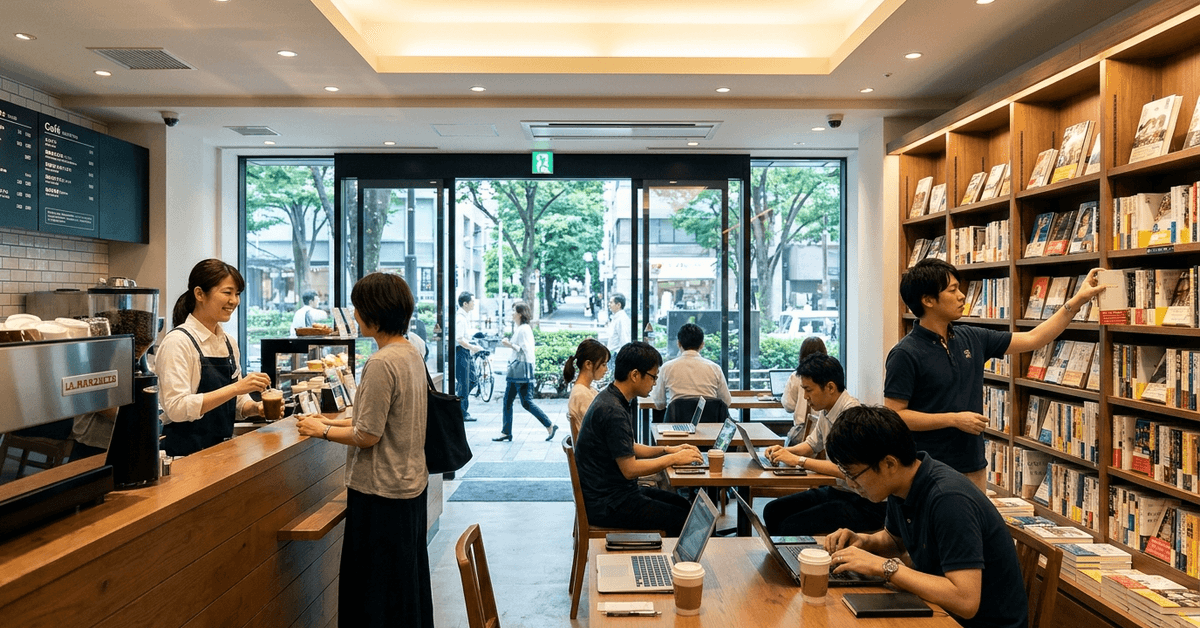
There’s also the allure of blending retail work with aspects of hospitality. You’re not just selling books—you may also be brewing coffee, stocking shelves, and occasionally discovering hidden literary gems. For book lovers, this combination often feels hard to match.

Main Positions Available at Tsutaya
Depending on the location, jobs at Tsutaya may range from entry-level to management. Most stores maintain a diverse staff, reflecting the varied interests of their clientele. Here are some common roles:
- Bookstore Staff: Handling sales, stocking, returns, and assisting customers find books or music.
- Cafe Barista: Preparing drinks and light food, maintaining cleanliness, and providing friendly service.
- Rental Counter Staff: Managing DVD, CD, or comic rental operations.
- Section Lead or Shift Supervisor: Overseeing certain parts of the store and helping train new team members.
- Store Manager: Managing schedules, inventory, and team operations on a broader scale.
Who Might Find Tsutaya Jobs Appealing?
People who enjoy books, films, or cultural trends will likely find the environment naturally interesting. University students often take Tsutaya jobs for the flexible hours and the chance to work around class schedules.
Likewise, parents returning to the workforce or individuals transitioning careers value the learning opportunities and steady pace. There’s a sense that, unlike high-volume retail, Tsutaya encourages slower, more attentive customer service.
Language skills can play a role too. Some Tsutaya locations in major cities or tourist districts welcome applicants who speak English or other languages—it isn’t always mandatory, but a bit of Japanese is expected at most branches.
For non-Japanese looking to boost their language confidence, working here can be a supportive way to practice daily conversation.
Expected Work Culture and Environment
The work culture at Tsutaya is influenced by each store manager, but certain principles seem to echo nationwide. Staff are expected to be attentive, polite, and neat in appearance.
There’s a balance between following established procedures and being able to offer personalized suggestions to customers.
If you picture a workplace where books and coffee aroma mingle, with soft background music and polite conversation, it’s fairly accurate. There’s a rhythm to the day: mornings begin calmly, afternoons pick up, and evenings often see regulars returning to relax or browse after work.
Typical Requirements for Working at Tsutaya
Entry-level positions don’t always require prior experience. However, a basic level of customer service skill—and comfort interacting with new people—will set you apart. Here are typical requirements:
- Minimum age, often 18 (sometimes younger for some shifts)
- Able to speak and read basic Japanese (JLPT N3-N4 can be helpful for foreigners)
- Willingness to work early, late, or weekend shifts
- Neat appearance, positive attitude
- Legal eligibility to work in Japan (proper visa or residency status)
Some cafes with international clientele may favor those with conversational English as well. Experience with cash handling or barista skills can help but isn’t strictly necessary at most locations.
How to Apply for Tsutaya Positions?
Most jobs are posted directly on Tsutaya’s official website, though major job search sites in Japan also list openings, such as TownWork or Indeed Japan.
Generally, the application process involves filling in a web form, uploading a resume (in Japanese, usually), and sometimes following up by phone or in person.
If your application is accepted, you may be invited for a short interview. The questions tend to focus more on situational responses and your attitude towards customers than past experience. Many find the process less intimidating than more corporate interviews.
What’s the Pay Like at Tsutaya?
Hourly wages at Tsutaya tend to fall within the typical range for retail in Japan, depending on region and shift times. In urban areas, this usually starts around ¥1,050-¥1,200 per hour, with potentially higher rates for late-night shifts or experienced staff.
Some stores offer staff discounts on books or food, which, while not a substitute for high pay, add small incentives to the job.
Bonuses aren’t common for entry-level roles, but long-term workers or those in supervisory positions might receive extras like seasonal pay or small performance bonuses.
For university students or those seeking supplemental income, these jobs offer reliability rather than rapid earnings growth. It’s perhaps more of a steady, predictable option than a quick financial leap.
Day-to-Day Duties and Learning Curve
Most new hires spend their first days getting used to the flow of the store. Tasks might seem simple—restocking manga, making lattes, cleaning tables—but they add up.
The variety helps days pass quickly, and returning customers often appreciate a staff member who remembers their book preferences or favorite blend.
While every shift is different, there are skills learned almost incidentally: organizing displays, learning inventory systems, and managing occasional rush periods.
It might feel repetitive at first, but many say it eventually clicks into a comfortable routine—sometimes even above expectations for a typical part-time job.
Growth Opportunities and Career Pathways
While Tsutaya may be an entry point for some, advancement is possible. Dedicated staff can become floor leads or assistant managers with persistence and proven reliability.
For those interested in retail management, it’s a modest but solid path—one that reveals the behind-the-scenes aspects of inventory, event planning, and customer loyalty programs.
That said, some people move on after graduation or transition to other industries. Others stay long-term, appreciating the work-life balance and social atmosphere.
Legal and Tax Considerations for Tsutaya Employees
For non-Japanese employees, understanding visa and work eligibility requirements is crucial. Most part-time roles require a Student, Spouse, or other qualifying visa. A basic residency card and ability to report earnings are also expected.
All workers, regardless of nationality, are responsible for paying applicable taxes in Japan. For part-time roles, income tax is typically withheld directly from pay.
Some may also need to join Japan’s national pension or health insurance programs, depending on weekly work hours.
Official guidance is available via the Japanese government’s labor department website. If there is uncertainty, seeking professional advice can save headaches later on.
Tips to Maximize Your Experience at Tsutaya
- Prioritize communication—learn at least basic Japanese if you’re a foreigner.
- Be proactive with regular customers; personal greetings often lead to higher satisfaction.
- Use staff discounts (if available) to explore new genres or beverages, enhancing your recommendations.
- Consider peak hours—late-night or weekend shifts may offer higher hourly wages.
- Keep an eye on special events, such as book signings, which offer networking or bonus experience. guidance.
Final Thoughts on Tsutaya Jobs
Tsutaya jobs can be a good fit for people who enjoy books, cafés, culture, and customer-focused retail work. The roles may be entry-level, but they can help workers build communication, organization, and service skills over time.
Since pay, duties, and language expectations may vary by location, checking each job listing carefully is important. With reliability, patience, and a willingness to learn, Tsutaya can offer useful work experience in Japan’s retail and hospitality environment.