

Looking for flexible and stable job options in Japan? Ministop job openings might be worth considering.
Ministop, a household name among Japan’s convenience stores, regularly recruits new team members.
Many city dwellers and students see these jobs as accessible entry points into the workforce. This article is for anyone interested in part-time or full-time convenience store positions.
Whether you’re new to Japan, a student seeking additional income, or someone looking for steady work, Ministop presents some unique advantages.
Here, you’ll find suggestions about applying, what’s usually expected, and some practical notes on what real employees disclose about their work experience.
Why Consider Job Openings at Ministop in Japan?
It’s hard to ignore how convenience store chains like Ministop provide a sense of security to job seekers. They offer a familiar, structured environment—a bonus for people prioritizing stability. But there’s more to consider than just reliability.
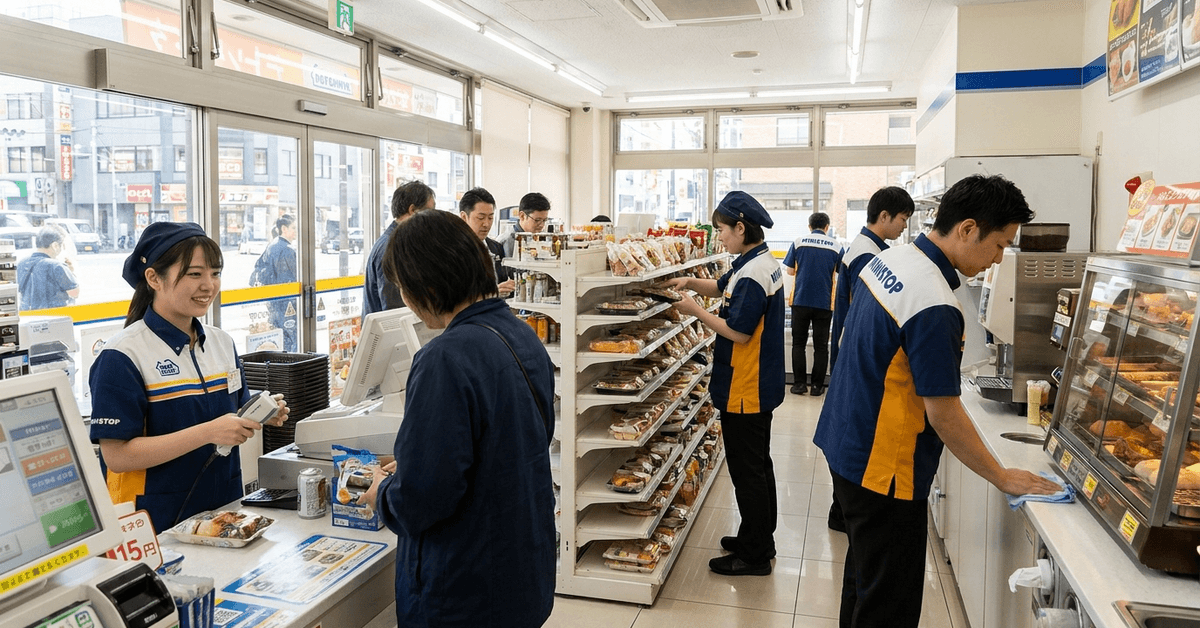
Accessibility for All Backgrounds
Ministop positions typically don’t require advanced qualifications. Some listings even welcome applicants with minimal Japanese. Roles often suit students, retirees, or anyone looking for flexible shifts. That said, basic communication skills are helpful.
Consistent Demand
Convenience stores operate 24/7 in most areas. As a result, there’s a steady need for workers throughout the year.
Even during uncertain times, retail jobs like these tend to remain available, though the pace and pressure can sometimes increase during peak hours.
Workplace Community
Teamwork is emphasized at Ministop. Many employees mention forming positive relationships with co-workers. It’s not always a given, but new staff can usually expect some mentoring and a friendly work atmosphere. Naturally, individual experiences may vary.
Types of Jobs Available at Ministop
Job roles at Ministop usually fall into a few main categories. While duties might overlap, having a good sense of each position can clarify what to expect and how to prepare.
Part-Time Staff (Arubaito)
These positions are the most common, focused on cashier work, stocking shelves, and general cleaning. Shifts can fit early mornings, evenings, and weekends, with many locations offering late-night differentials or bonuses.
Full-Time Employees
For those seeking long-term stability and benefits, a full-time position may be available. These roles sometimes bring added responsibilities, such as inventory control or supervising junior staff. Expectations for professionalism can be higher.
Store Managers and Supervisors
More experienced staff may be promoted to supervisor or store manager. This involves handling schedules, maintaining inventory, and sometimes resolving customer complaints. Progression can be gradual, depending on location and performance.
How to Find Ministop Job Openings in Japan
Job searching can feel overwhelming, especially for first-time applicants. Luckily, Ministop has clear routes for applications, both online and offline. You might find it helpful to check several sources before deciding.
Official Ministop Careers Page
The company’s website typically lists current openings. Applications can be submitted directly through the Ministop online portal. This is a straightforward option for people comfortable with online forms and digital communication.
In-Person Applications
Some job seekers prefer to approach a store manager directly. Print resumes or fill out paper application forms in person. This can give a more personal impression, but it depends on local store policies and staffing needs.
Third-Party Job Boards and Agencies
Job portals such as TownWork or Hello Work are popular in Japan for part-time roles. While listings are updated regularly, it can be tricky to confirm real-time availability. Agencies like GoodJobs sometimes help foreigners connect with work, but individual results vary.
Requirements and Qualifications for Ministop Jobs
Entry-level jobs at Ministop generally come with minimal prerequisites. Yet, there are points that could influence your application’s outcome. Here’s a rundown on common requirements and some lesser-known factors.
Age Restrictions
Most stores require candidates to be at least 18 for overnight shifts; otherwise, 16 is usually the minimum age for daytime roles. Age limits might shift between locations due to local rules or insurance.
Language Proficiency
Some Ministop outlets welcome non-native speakers, especially in urban areas. Still, at least conversational Japanese is helpful. Knowing basic inventory or cashier terms improves your odds and makes the transition smoother.
Work Visa or Right to Work
For foreigners, having a valid work visa or permission is essential. Student visa holders are often eligible for part-time jobs, though restrictions on weekly hours apply—usually up to 28 hours per week.
Availability and Flexibility
Employers look for adaptable candidates. Those who can cover unpopular times (like holidays or overnight) may have an edge. Letting the manager know your true schedule up front tends to build trust.
The Application Process at Ministop: What to Expect
Every company follows its own rhythm, and Ministop is no exception. Having a clear sense of the typical steps could reduce stress when applying—whether online or in-person.
Online and Offline Application Steps
- Submit your resume online or fill out a paper form at the store.
- Wait to be contacted (often within a week, though sometimes longer).
- Participate in a brief interview—sometimes even informally on the day of your visit.
- Background or reference check might follow for some locations.
Interview and Scheduling
Interviews at convenience stores tend to be conversational rather than formal. Managers typically ask about your schedule, ability to work various shifts, and your familiarity with convenience store tasks. Neat appearance and polite language are valued.
Orientation and Training
New hires generally complete a short training session. This includes learning how to handle registers, restock products, understand basic food safety, and customer service routines. Supervisors often guide you during the first shifts, with feedback given on performance.
Typical Work Expectations and Pay
Curious about what the job actually looks like day-to-day? It tends to involve more multitasking than many realize, and there are a few details worth noting on compensation and the general work environment.
Shift Structure
Shifts at Ministop are scheduled around the clock. Flexibility is both a necessity and a frequent employee concern. Late and early shifts may pay a little more, though these hours can be physically demanding at times.
Salary and Benefits Overview
- Average hourly wage ranges from 950 to 1,200 yen, sometimes higher in urban districts.
- Night and early morning shifts may include a premium of up to 25%.
- Some full-time roles offer social insurance, bonuses, and employee discounts.
Common Tasks
- Operating the register and processing payments
- Restocking shelves and refrigerators
- Food preparation—like soft serve or onigiri
- Maintaining store cleanliness
- Assisting customers with product questions
Realistic Pros and Cons of Working at Ministop
Most jobs come with trade-offs, and convenience store work is no exception. Here are some balanced perspectives gathered from various sources, including past and current employees. Some may find a contrast between different branches or teams.
Advantages Reported by Employees
- Quick hiring process—delays are rare for entry-level roles.
- Shifts suit students, parents, and those with secondary jobs.
- On-the-job training is straightforward and typically supportive.
- Chances to interact with diverse people each day.
Challenges Some Experience
- Physical work, especially during restocks or cleaning
- Long periods standing—seating breaks can be rare
- Busy periods can feel chaotic, especially during holidays
- Language barriers remain for those with limited Japanese
- Some pay differences between rural and urban stores
Tips to Improve Your Ministop Job Application
Competition can be intense, particularly in urban centers. Here are a few pointers that could make your application stand out and reduce surprises during the process.
- Prepare a concise resume in Japanese, if possible.
- Mention specific availability for weekends or night shifts.
- Demonstrate basic customer service skills—highlight teamwork or volunteer work.
- Double-check your visa eligibility, if you’re a foreign national.
- Be open about language proficiency, but show willingness to learn.
Legal and Tax Notes for Ministop Employees
Legalities are usually clear-cut for domestic applicants, but foreign workers should review permitted working hours and obligations. Taxes are withheld at source.
Annual tax documents (“gensen choshusho”) are given each year—helpful at tax time. For those with multiple jobs, consulting a tax advisor or referencing Japan’s National Tax Agency site may help avoid mistakes.

Final Thoughts on Ministop Job Openings
Ministop job openings can be a practical option for students, foreigners, and job seekers looking for flexible work in Japan. The application process is usually simple, but preparing your resume, schedule, and work documents can improve your chances.
Since pay, shift needs, and language expectations may vary by location, checking each store’s requirements carefully is important. With reliability, patience, and willingness to learn, Ministop can offer steady income and useful convenience store experience.