

Working on a cruise ship offers a unique blend of travel, professional growth, and adventure.
For those drawn to diverse cultures, or simply seeking an alternative to office routines, these roles have undeniable appeal.
Yet, the path to a cruise ship job often seems confusing—especially for newcomers. This guide is tailored for individuals curious about joining a cruise line crew.
If you’re considering a job at sea, perhaps as a way to travel or build hospitality skills, these insights can help you make informed decisions regarding applications, daily routines, and long-term benefits.
Why Cruise Ship Jobs Are Popular Career Choices?
It's easy to see why cruise ship employment attracts all kinds of applicants. There’s the sense of adventure, new environments, and, sometimes, a promise of above-average earnings—though the reality varies.
Travel Opportunities and Cultural Exposure
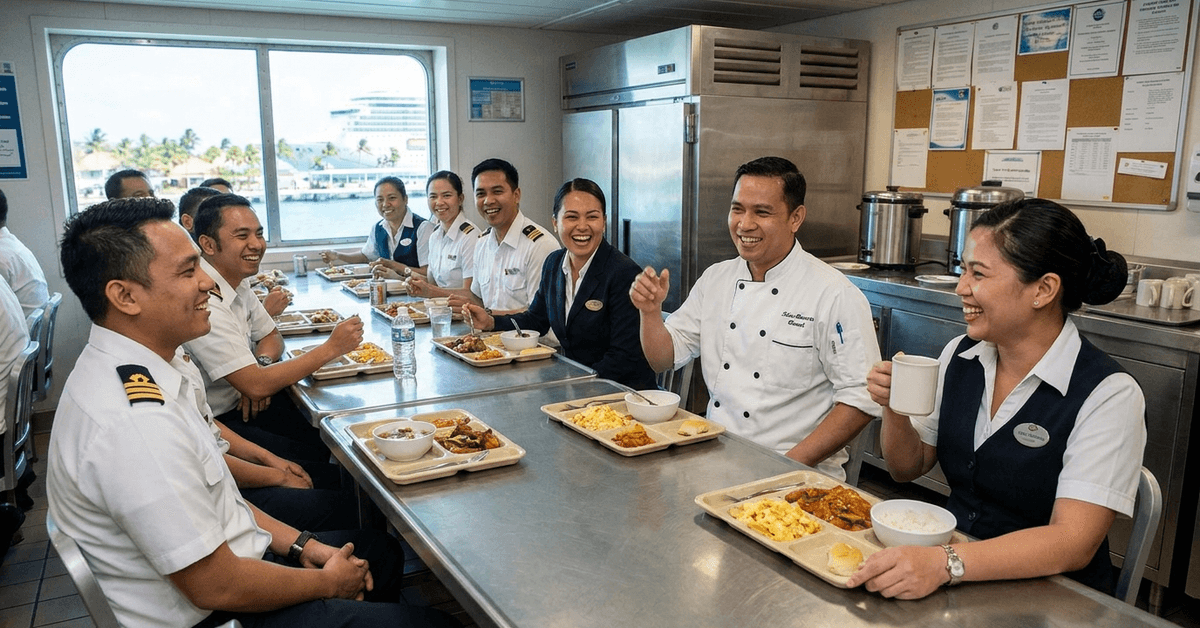
A major appeal is the chance to visit different countries without paying for transportation or hotels. Crew members routinely interact with colleagues from all over the world.
Variety of Onboard Roles
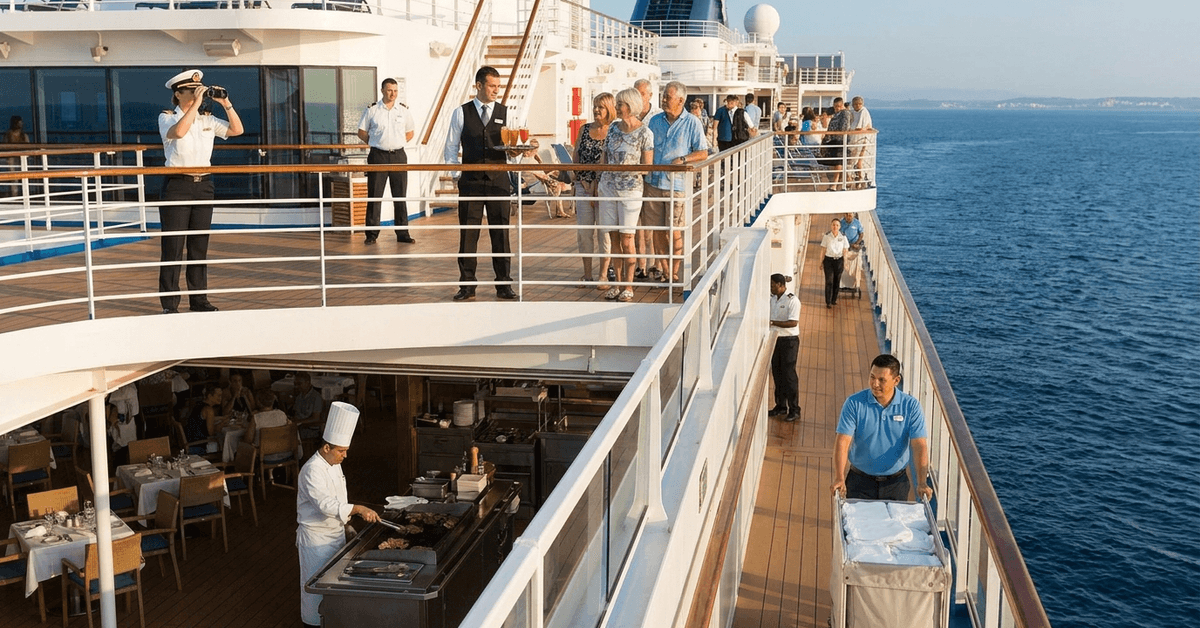
From chefs to entertainers, there are dozens of shipboard jobs. Some positions, like waitstaff or junior housekeeping, may suit entry-level workers, while others require experience or specific certifications.
All-Inclusive Living Arrangements
Most contracts provide accommodation and meals. This can make it easier to save a higher portion of your salary. Some, however, find the shared quarters a bit challenging.
Types of Jobs Available on Cruise Ships
Not every role requires maritime experience. Entry-level and skilled positions can be found across several departments.
Hospitality and Guest Services
These include cabin stewards, receptionists, bartenders, and restaurant servers. People skills and basic hospitality experience help here.
Food and Beverage
Galley jobs, bartending, and serving roles are common. Culinary qualifications or prior restaurant experience can make a difference, but aren’t always mandatory for entry roles.
Entertainment & Activities
Dancers, musicians, fitness instructors, and kids' club staff all focus on passenger enjoyment. Background in performing arts or recreation is a solid advantage.
Deck & Engineering
While officer and engineering positions ask for maritime certification, deck staff, cleaners, or maintenance workers might only need basic professional skills.
Understanding the Application Process
The cruise ship hiring process can differ by line and department. Most follow the same core steps, though: online forms, interviews, and verification of any required documents.
Research Reputable Cruise Lines
Major employers include Carnival, Royal Caribbean, Norwegian, and MSC. It’s better to use their careers page than unverified third-party recruiters.
Application Submission and Initial Screening
Applicants can submit resumés directly online. Filling out the full profile, with accurate employment history, is helpful. Phone or video interviews usually follow.
Document Checks and Medical Exams
Ships are regulated environments. Before hiring, expect background checks, STCW certification (for many roles), and a medical exam that clears you for duty.
Negotiation and Onboarding
Contracts might vary—from seasonal to long-term assignments. Wages can seem high, but it's wise to check deduction terms for insurance or travel.
Secrets to Strengthening Your Application
Candidates willing to work flexible hours, learn quickly, and adapt culturally fit best. A few subtle moves can help you stand out during hiring seasons.
Clear, Professional Resumé Format
Simple formatting focused on hospitality, language ability, or customer service experience works well. Include international work, if applicable.
Highlight Adaptability and Soft Skills
Demonstrating prior teamwork, or examples of dealing with stressful situations, could be an advantage, especially for hospitality or guest services.
Language Skills as an Asset
Fluency in English is necessary, but speaking other major languages like Spanish, German, Italian, or Mandarin increases your versatility onboard.
Training and Certification Requirements
Some roles are open to absolute beginners, but safety compliance is mandatory for nearly all new hires. Regulations protect both passengers and employees at sea.
Safety Training (STCW)
The STCW certificate (Standards of Training, Certification, and Watchkeeping for Seafarers) is required for nearly every crew member. It’s offered by many maritime academies.
Regional Medical Certificates
Before starting, crew members undergo a maritime health assessment. Only certified clinics, which know seafaring standards, can provide this documentation.
Special Licenses for Certain Roles
Cooks and engineers may need local or international licenses. If you’re unsure, cruise line career pages usually detail these requirements.
The Realities of Life Aboard
The lifestyle is unlike any onshore job. Days can be long, but the chance to wake up in a new place or meet travelers from across the globe is rewarding for many.
Accommodation and Meals
Most ships house crew in shared cabins, usually with co-workers from other countries. Food varies: menus often change based on ship region or culinary teams.
Social and Recreational Spaces
Modern cruise ships often provide areas where crew can unwind—gyms, cafeterias, even internet lounges. Schedules, though, can limit downtime.
Work Schedules and Leave
Contracts run from three months to more than a year, depending on the cruise line and position. Workdays are typically long, sometimes split into shifts.
Potential Challenges to Expect
Perhaps not every experience is glamorous. Isolation, language barriers, or occasional seasickness can catch new staff off-guard.
Adapting to Varied Cultures
The crew community is diverse. Making friends is common, but the mix of backgrounds means some misunderstandings can happen, at times unexpectedly.
Staying Connected with Family
Internet often costs extra, and time zone differences might create challenges staying in touch. That said, dedicated phone and Wi-Fi areas are usually available.
Managing Workload and Fatigue
Long shifts are standard—some thrive, some find it harder. Maintaining a healthy routine isn’t always easy, but is usually worth the effort over a contract period.
Estimated Earnings and Benefits
Salaries depend on job type, experience, and employer. Some positions, like tips-based roles or officers, earn significantly more than others.
Basic Pay Range
Most entry-level hospitality jobs start near $1000–$1500 USD monthly. This can vary by nationality, seniority, and cruise line. Senior roles command more.
Additional Perks
Meals, shared accommodation, travel insurance, and occasional excursion discounts add to your real-world compensation. Sometimes, bonuses are available for contract completion.
Tips for Navigating Legal and Tax Considerations
Maritime employment presents unique payroll obligations. Most reputable cruise companies handle tax and insurance deductions at the source, but not always.
Checking National Tax Rules
Your home country may expect income declarations, even if paid abroad. It’s important to document contract details and check with a local accountant about liabilities.
Work Permits and Visas
Cruise liners generally help with necessary seafarer visas. For certain routes, like U.S. or Schengen ports, specific transit documents are needed in advance.
Injury Coverage
Accidents can happen at sea. Confirm crew insurance terms before signing any agreement, so you know your rights and coverage details.
FAQs About Working on Cruise Ships
- Do you need prior cruise experience? Not for most entry-level roles—hospitality, cleaning, and retail often hire beginners.
- What’s the most in demand cruise ship job? Usually guest services, housekeepers, and food service.
- Can you travel for free as a crew member? Crew travel and lodging are typically free during the contract, but not for personal guests.
- Are health concerns a problem? You must pass a strict medical check before any assignment.
- Is it possible to build a long-term career? Promotion is common for reliable staff who complete multiple contracts.
Final Thoughts on Cruise Ship Jobs
Cruise ship jobs can offer travel, professional growth, and practical experience in hospitality, food service, entertainment, or operations.
The hiring process can take time, but preparing documents, certifications, and interview answers early can improve your chances.
Since contracts, schedules, pay, and living conditions vary by cruise line and role, reviewing every detail before signing is important. With flexibility, patience, and a strong work ethic, a cruise ship job can become a rewarding career step at sea.