

Cleaning jobs in Japan remain a consistent choice for anyone seeking reliable income and stable hours, whether you're a local, expatriate, or even a student exploring side work.
With tremendous demand across hotels, offices, and residential homes, this field offers flexibility and a realistic entry point for those aiming to build or restart their careers.
For people new to Japan, the cleaning industry removes much of the anxiety linked to language skills and prior experience, making it a particularly approachable first step.
Understanding Cleaning Job Opportunities in Japan
Japan’s cleaning sector encompasses a range of roles. Some focus on hotel housekeeping, others involve maintaining offices, and many handle apartment or home cleaning.
Demand exists everywhere—from large cities like Tokyo or Osaka to smaller towns. The type of work varies, but all jobs share some basics, like attention to detail and following clear routines.
For anyone who appreciates a regular schedule or values steady routines, it might seem almost perfect.
Hotel Cleaning Jobs in Japan
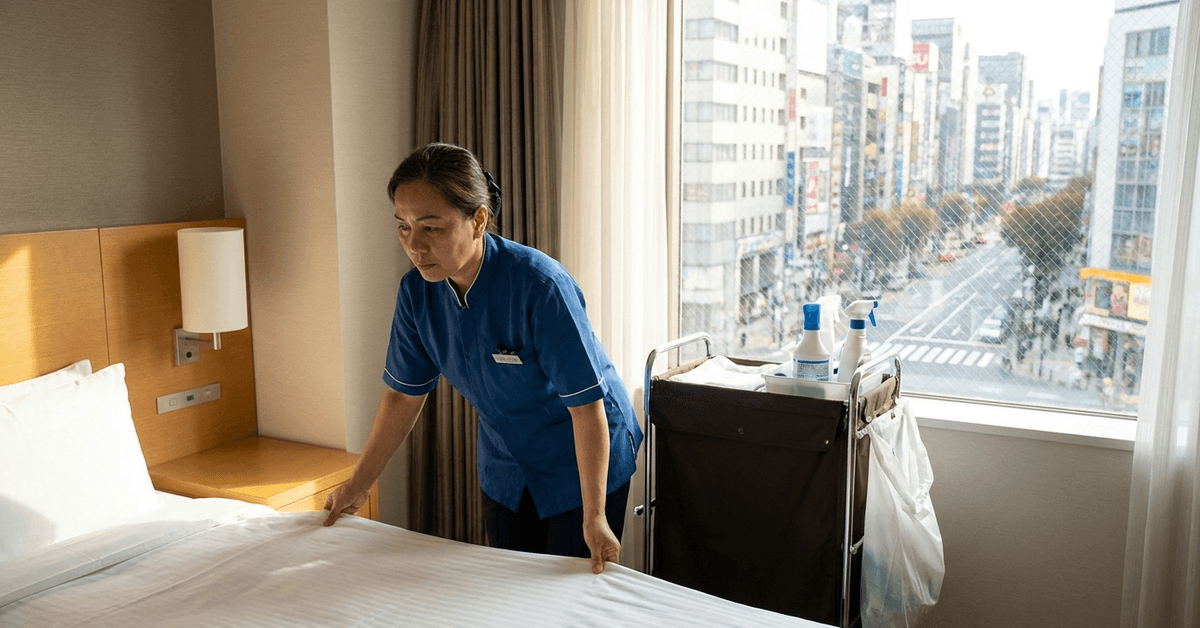
Hotel cleaning jobs are prominent, especially in tourist destinations and business hubs. These roles usually involve housekeeping—making beds, cleaning bathrooms, and ensuring public spaces are spotless.
The atmosphere can be fast-paced, but you often work as part of a supportive team. There’s a level of pride in seeing direct results from your effort, even if the tasks look repetitive at first.
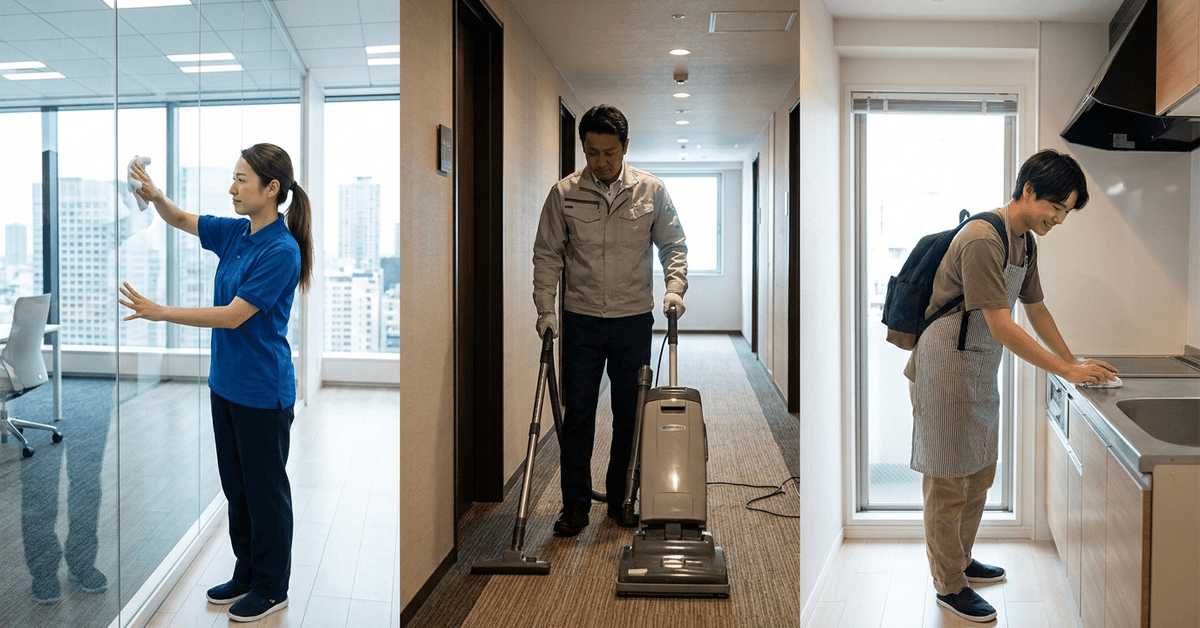
What to Expect as a Hotel Cleaner?
- Regular shifts, usually morning and early afternoon—often finished before dinnertime
- Uniforms and clear training provided for most large hotels
- Modest Japanese language ability is helpful but not always required
- Higher pay in big-city or luxury hotels
- Possibility of bonuses or small tips
Common Duties in Hotel Housekeeping
- Making and changing beds
- Vacuuming and dusting guest rooms
- Restocking towels, toiletries, and room amenities
- Cleaning bathrooms and public areas
- Reporting maintenance needs to supervisors
Office Cleaning Roles: Night Shifts & Daytime Options
Office cleaning jobs in Japan attract those who like quiet environments. Sometimes, cleaning happens outside regular business hours—either late evenings or early mornings.
It offers the perk of independent work and, often, little interaction with staff. Perhaps this is why part-timers, students, or those with other daytime obligations find these roles appealing.
Although most work is behind-the-scenes, the value is clear—offices rely on cleanliness for a healthy workspace.
Office Cleaning: Job Structure
- Routine tasks such as emptying bins, wiping desks, and vacuuming
- Restroom maintenance and kitchen cleaning, sometimes included
- Likely to work with commercial cleaning equipment, though it’s user-friendly
- Stable part-time and full-time hours, depending on company contracts
Residential & Apartment Cleaning Jobs
Residential cleaning, sometimes called ‘housekeeping’ or ‘apartment cleaning’, provides another clear pathway. These jobs are available through both cleaning agencies and private arrangements.
Apartment cleaning jobs usually feature tasks similar to those in hotels but often focus on smaller spaces and frequent, regular clients.
There’s more variety: you might find yourself helping young professionals, expat families, or elderly residents who simply need an extra hand.
Typical Tasks in Residential Cleaning
- Vacuuming or sweeping living spaces
- Kitchen and bathroom cleaning
- Laundry and ironing support
- Organizing and tidying up rooms
- Special one-time cleans, like move-in/move-out work
Why Choose Cleaning Jobs in Japan?
For many, the cleaning industry isn’t just a fallback—it represents a practical first or second job, a way to supplement income, or a foothold for long-term careers in hospitality or management.
The workplace stability and predictability are surprisingly attractive, particularly in regions where other entry-level jobs may require more advanced Japanese or specialized skills.
Benefits of Working in Cleaning
- Accessible for foreigners: Many roles don’t demand fluent Japanese
- Training is usually provided, no specific credentials needed
- Easy to combine with other obligations thanks to flexible schedules
- Possibility of making new contacts and learning about Japanese work culture
Popular Job Boards and Agencies
Most job seekers in Japan start with trusted job boards or larger staffing agencies. Some of the most reputable resources include ‘GaijinPot Jobs’, ‘Hello Work’ (the official public employment service), and Tempstaff.
Large hotel chains also recruit directly through company websites, so checking those for seasonal or permanent listings can pay off.
Key Resources for Cleaning Jobs
- GaijinPot Jobs
- Jobs in Japan
- Hello Work
- Tempstaff
- Direct hotel and cleaning company websites
Requirements, Visas, and Language Skills
While there are few formal requirements for cleaning positions, it’s helpful to know about working visas and basic Japanese phrases.
Some cleaning jobs, like those in hotels catering to tourists, may even welcome English or Chinese fluency; others are fine with minimal Japanese if tasks are simple and routine.
Points to Consider
- Valid visa status is essential (student, working holiday, dependent, or specific work visa)
- Elementary Japanese helps but isn’t mandatory everywhere
- Physical fitness and punctuality often matter most to employers
Average Pay and Working Conditions
Salaries for cleaning jobs in Japan tend to start around the minimum wage (about ¥1,000/hour in many prefectures as of 2024). Some hotels and office contracts pay higher, up to ¥1,500/hour, especially for night work or supervisory roles.
Most jobs provide uniforms and transport support, but health insurance is only offered for full-time contracts. Overtime is rare but does exist in peak seasons, particularly in hotels during national holidays.
Sometimes, feedback from colleagues or clients helps you improve—there’s a nice sense of achievement in seeing satisfaction directly.
What to Expect from Employers?
- Training periods, often paid
- Opportunities for raises or longer contracts
- Support for workplace safety and comfort
Advancement & Long-Term Potential in Cleaning
For those who stay in the industry, there are increasing openings for supervisory roles and team leaders, particularly in hotels or large office buildings.
Some cleaning companies offer formal training and recognize outstanding staff with bonuses or promotions.
Career Paths
- From cleaner to site supervisor
- Transition into hotel guest services or facility management
- Start a small cleaning business (requires more Japanese language and business skills)
Tips for Success in Japan’s Cleaning Sector
- Be punctual—timeliness is highly valued, perhaps even more than in other countries
- Maintain reliability and professionalism, even during solo shifts
- Try to learn basic Japanese greetings and work-related phrases
- Save feedback—sometimes, praising effort genuinely improves morale
- Be open to various types of cleaning work; versatility increases opportunity
Final Thoughts on Cleaning Jobs in Japan
Cleaning jobs in Japan can be a practical option for foreigners, students, and job seekers who want steady work with accessible requirements.
These roles may not always require fluent Japanese, but punctuality, physical readiness, and reliability are highly valued. Since pay, shifts, and benefits can vary by employer, location, and job type, checking each listing carefully is important.
With patience, professionalism, and willingness to learn, cleaning work can offer stable income and a useful entry point into Japan’s workforce.