
With more people shopping and paying bills online, the need for secure payment methods has never been greater.
If you’re looking to protect your financial details, it’s worth learning how services like PayPal and MasterCard can help.
This guide is designed for anyone who wants to explore safe ways to complete online transactions—whether you’re new to digital payments or just want to double-check your process.
What you’ll find is advice grounded in best practices, practical experiences, and a focus on peace of mind while shopping or sending money online.
Why Choose PayPal and MasterCard for Online Payments?
The landscape of online payments is crowded, but PayPal and MasterCard have distinct reputations for security and flexibility.
Over time, these platforms have become recognized for blending user-friendliness with advanced security protocols—two things any cautious online buyer might appreciate.
Enhanced Protection for Your Purchases
Transactions through both PayPal and MasterCard often come with buyer protection policies, providing recourse if you don’t receive what you paid for.
This is especially important when shopping from new vendors or international websites; you never quite know what to expect.
Privacy of Personal Data
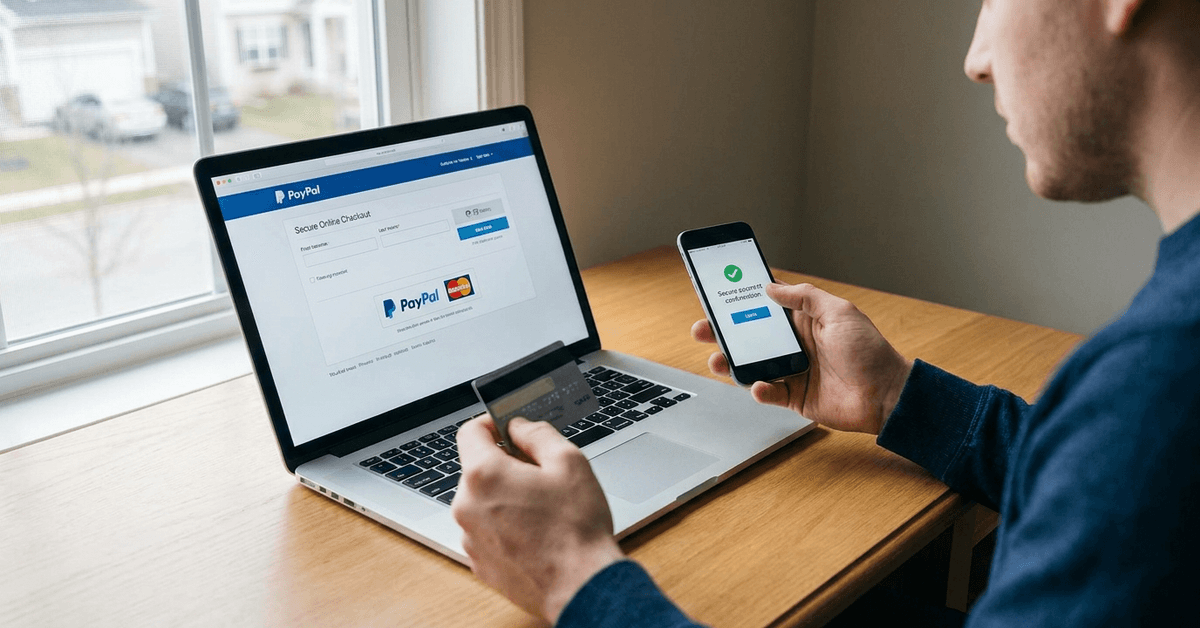
With PayPal, your email address acts as a barrier between your credit card or bank details and the seller. MasterCard offers similar features by working with virtual cards for additional masking.
Accepted by Major Retailers
It’s not always clear which payment option will work at a specific online store. Thankfully, most well-known retailers and service providers accept both PayPal and MasterCard, making it easier to shop widely without interruptions.
Setting Up Your PayPal and MasterCard Accounts Securely
The first step toward safe online payments is a secure account setup . Taking a few extra moments at the beginning can prevent issues down the line.
Creating and Protecting Your PayPal Account
- Start by visiting the genuine PayPal website. (Look for https in the address bar; it’s a good habit.)
- Choose a strong, unique password—perhaps something you’ve never used elsewhere. Password managers can help here, even if it seems like an extra step.
- Add your payment methods, such as a credit card or linked bank account, but avoid saving too many. Less exposure means less risk.
- Consider enabling two-factor authentication. It’s an additional step after your password, and may feel like a hassle, but adds important security.
Activating and Securing Your MasterCard
- When you receive a new MasterCard , activate it from a secure network (avoid public Wi-Fi during this step).
- Register for your provider’s online portal to monitor transactions and set up account alerts—these notify you of any suspicious activity.
- Log out after each session, especially on shared or public computers. It’s a common suggestion, but still often overlooked.
Tips for Making Secure Online Payments
When it comes to digital payments, there’s an art to blending convenience and protection. Here are habits that might seem minor, but can make a real difference over time.
Use Recognized Websites and Services
Perhaps the most important tip: always ensure you're shopping with reputable online merchants. A site that offers both PayPal and MasterCard likely invests in trustworthy payment systems. If you’re unsure, look for reviews—or take a step back.
Check for Secure Connections
Before entering payment info, glance at the URL. Websites with "https://" and a padlock graphic typically encrypt your data in transit. It’s not a guarantee of legitimacy, but it’s a start.
Avoid Public Wi-Fi
It might seem safe at your favorite cafe, but public Wi-Fi can expose your info. If you can’t avoid it, consider connecting through a VPN. Occasionally, skipping that purchase until you’re home isn’t a bad idea.
Review Payment Confirmations
Sometimes, emails or notifications get ignored. Taking a moment to confirm you’ve received a receipt from PayPal or your MasterCard provider can help you spot issues early.
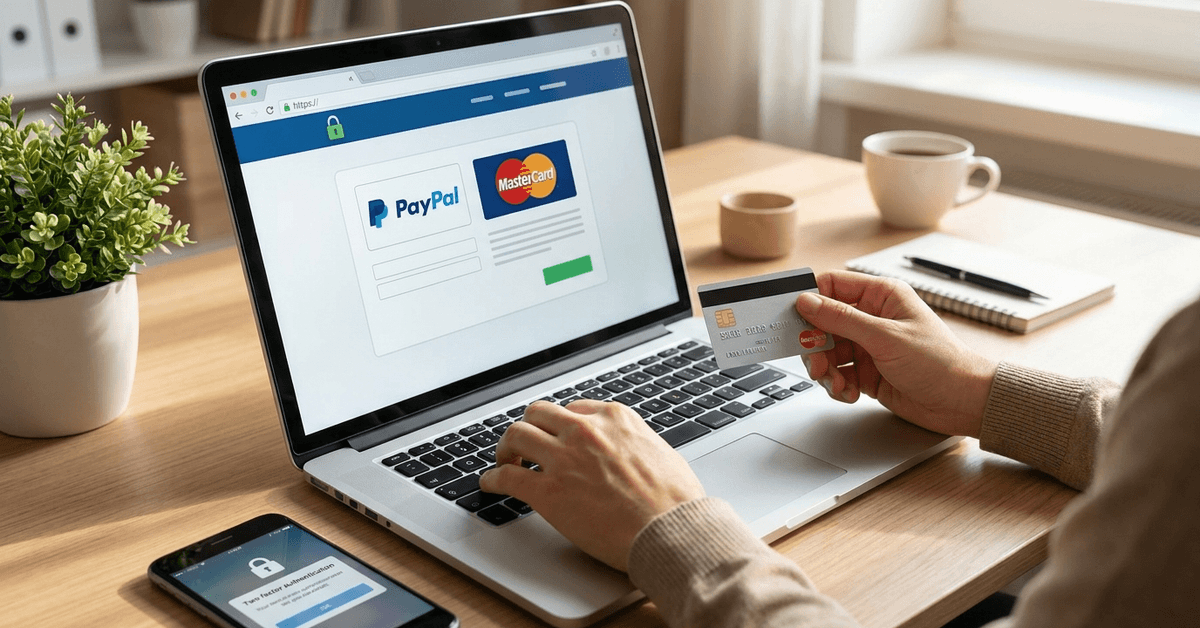
How PayPal and MasterCard Work Together
A strategy some use is linking their MasterCard to their PayPal account. This layers security, as PayPal never shares your card info with merchants—instead, it processes payments on your behalf.
Plus, you receive the protections and alerts offered by both companies. Of course, weighing each layer’s benefits depends on your comfort with sharing data across platforms.
Understanding Fees and Exchange Rates
One area that sometimes causes confusion is the fees associated with different types of transactions. While PayPal may cover buyer protection, it can sometimes include currency conversion fees or charges for international transfers.
MasterCard generally uses competitive exchange rates, but your card provider could add their own fees, which aren’t always talked about up front.
Compare Before You Pay
If possible, review both the PayPal and MasterCard fee schedules ahead of time. When shopping internationally, it’s worth being cautious—unexpected costs can add up, though usually not dramatically.
Resolving Disputes and Fraudulent Transactions
Disputes are rare if you’re careful, but they do happen. Not all conflicts are resolved perfectly, yet both PayPal and MasterCard offer clear steps for raising an issue.
From a personal perspective, the process may sometimes feel lengthy, but it’s designed with user protection in mind.
PayPal Resolution Center
If a product never arrives or looks different from what you ordered, the Resolution Center lets you file a dispute. Most users find the system straightforward, though it sometimes requires patience as evidence is reviewed.
MasterCard Chargeback Process
MasterCard users can request a chargeback through their card issuer. Documentation matters: screenshots, correspondence, receipts, and timelines can affect how smoothly things go. Sometimes, outcomes feel subjective, but persistence is useful.
Keeping Your Devices and Browsers Secure
It’s easy to overlook device security, but it plays a big part in online payment safety. Make sure operating systems and browsers are up-to-date, since patches often address vulnerabilities used in online scams.
Antivirus software and attentive password management help as well. Sometimes, simply restarting your system after a software update can close gaps you didn’t realize were there.
Frequently Asked Questions About Safe Online Payments
Is PayPal safer than using a credit card directly?
There’s some debate here. PayPal offers data masking and typically strong buyer protection, but major credit cards like MasterCard have robust security systems, too.
Many users rotate between both, depending on the purchase and their preference for recourse in disputes. There’s no universal best—just what feels safest for your needs.
Can I use both at the same time?
Yes, by linking your MasterCard to PayPal. This can simplify tracking and may add layers of security, though it does mean sharing info with both providers. It’s a trade-off, and not everyone is comfortable with connected accounts.
Will using PayPal or MasterCard affect my credit score?
Typically, regular usage or linking your card to PayPal won’t impact your credit, unless you carry a balance or miss payments—those are the factors most credit bureaus monitor. Still, it’s sensible to keep an eye on your accounts just in case.
Final Thoughts on Secure Online Payments
PayPal and MasterCard can help make online payments safer when used with smart security habits. Features like buyer protection, fraud alerts, secure checkout, and account monitoring can reduce common digital payment risks.
Since fees, exchange rates, and dispute processes may vary, reviewing payment details before checkout is important. With strong passwords, secure networks, and regular account checks, users can shop and pay online with more confidence.